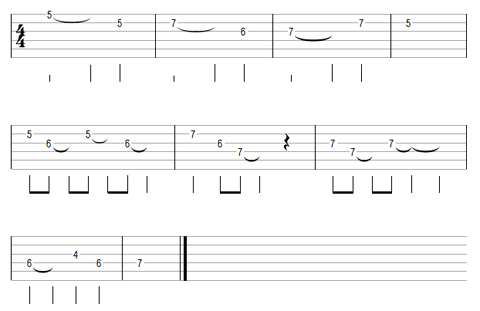
The TAB below shows how you can experiment by creating a simple melodic guitar solo based on the same chord progression as that in Lesson 1. Remember, staying as close to one position as possible is the important thing. The other thing to remember is you don’t need to be using all six strings otherwise it becomes predictable. You also don’t need to play all of the notes within a chord, for example, you could just hold onto one note from a chord for an entire bar and then the next chord change you could play a few more chord tones from the next chord. Breaking it up like this steers it away from being too cheesy. The example below also sounds a bit cheesy but you need to start like this to make sure you are learning properly. As you gain experience these ideas will creep into your natural scale type of soloing and this is when the CAGED method starts being useful. Although I think “method” is the wrong word. It’s better to think of CAGED as being a kind of overlay or guide across the fretboard rather than a system or method. Eventually you won’t even think about CAGED, everything just becomes chord tones and notes.
No comments:
Post a Comment